


We all know artificial intelligence is transforming the creative landscape. It’s unlocking bold new ideas, from Heinz’s viral “A.I. Ketchup” art to Motorola’s surreal high-fashion dreamscapes and Liquid Death’s bizarre, fan-made AI shorts that took the internet by storm.
This AI boom brings an exciting new way to capture attention and spark massive engagement. But not every brand is using these tools effectively.
We tested and analyzed eight AI-driven ads to find out what works and what doesn’t. Here’s what we found:
1. Coca-Cola

Key findings:
- Strong performance with a captive audience: The ad scored 84% in positive emotion and 57% in overall brand recall, showing it resonated emotionally and left a lasting impression.
- Weak fit for digital environments: Its slow, linear narrative failed to capture attention quickly — a key requirement for online platforms.
- Low early brand recall (6%) highlights how even strong creative ideas can underperform when execution ignores the medium’s context.
See the full results here.
2. Heinz
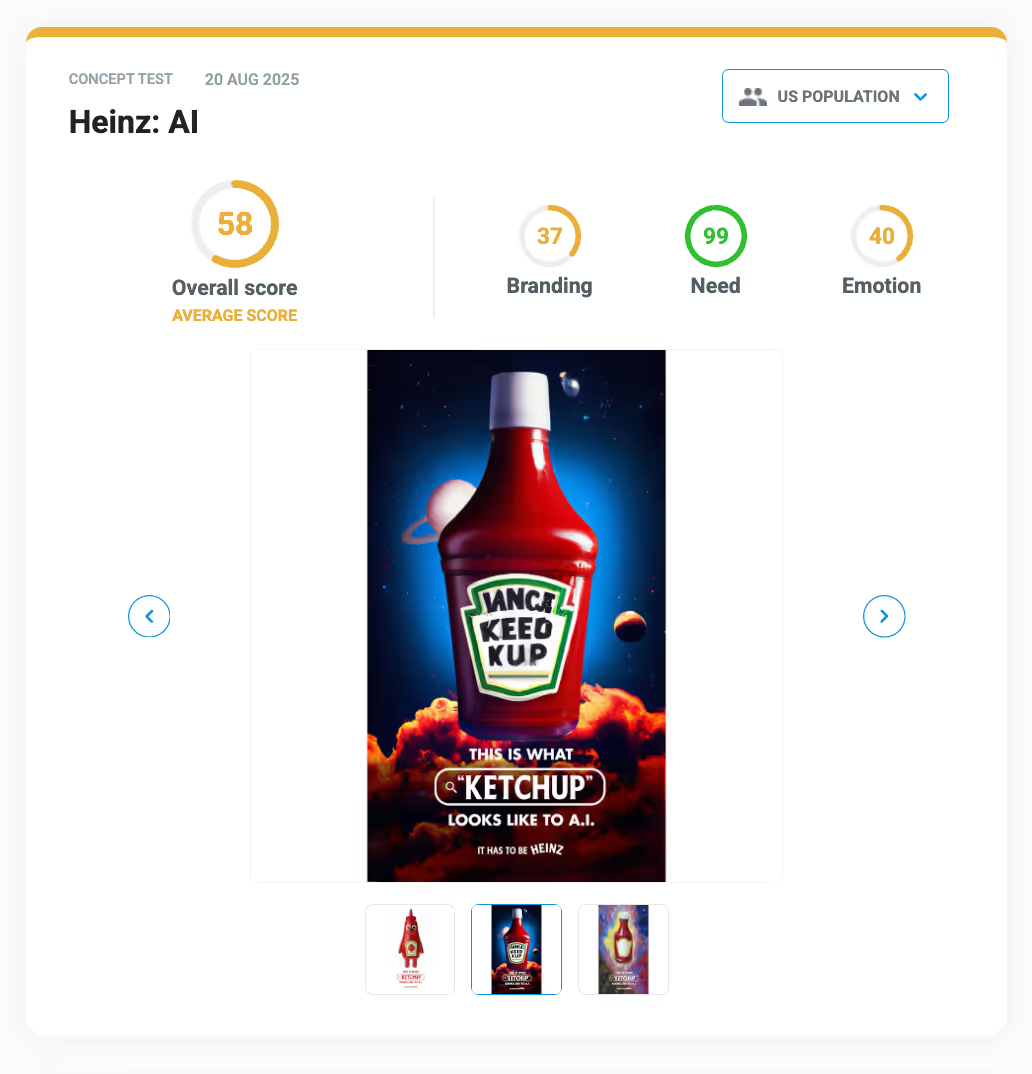
Key findings:
- Visually stunning but confusing: The AI-generated images drew attention but prioritized artistic impact over clear communication.
- High cognitive load: Viewers struggled to grasp the message, making it harder for the brand to stick.
- Low brand recall: What made the visuals unique — their novelty and complexity — ultimately worked against the campaign’s effectiveness.
See the full results here.
3. Motorola
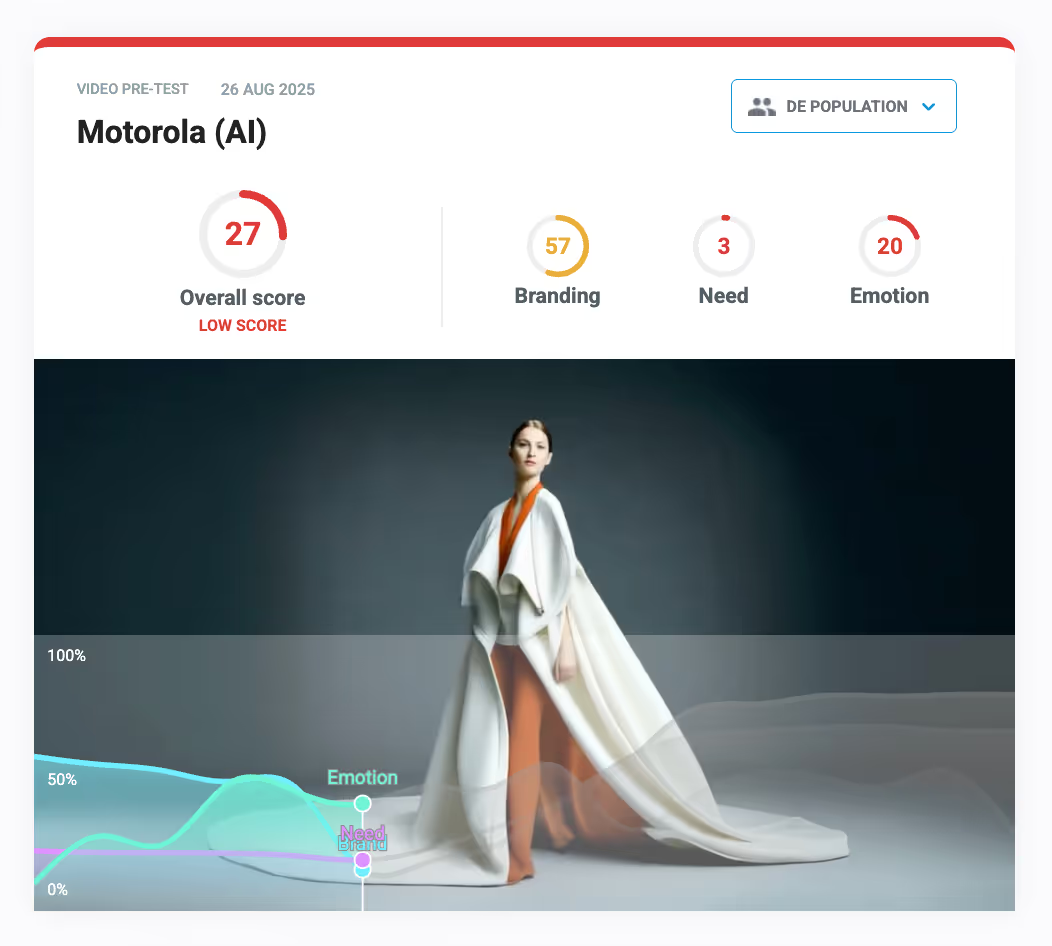
Key findings:
- Misaligned creative direction: The AI delivered stunning fashion-style visuals, but for a smartphone brand, it missed the core product focus.
- Low category recognition (39%) showed viewers didn’t connect the ad to the right category, undermining its purpose.
See the full results here.
4. Liquid Death
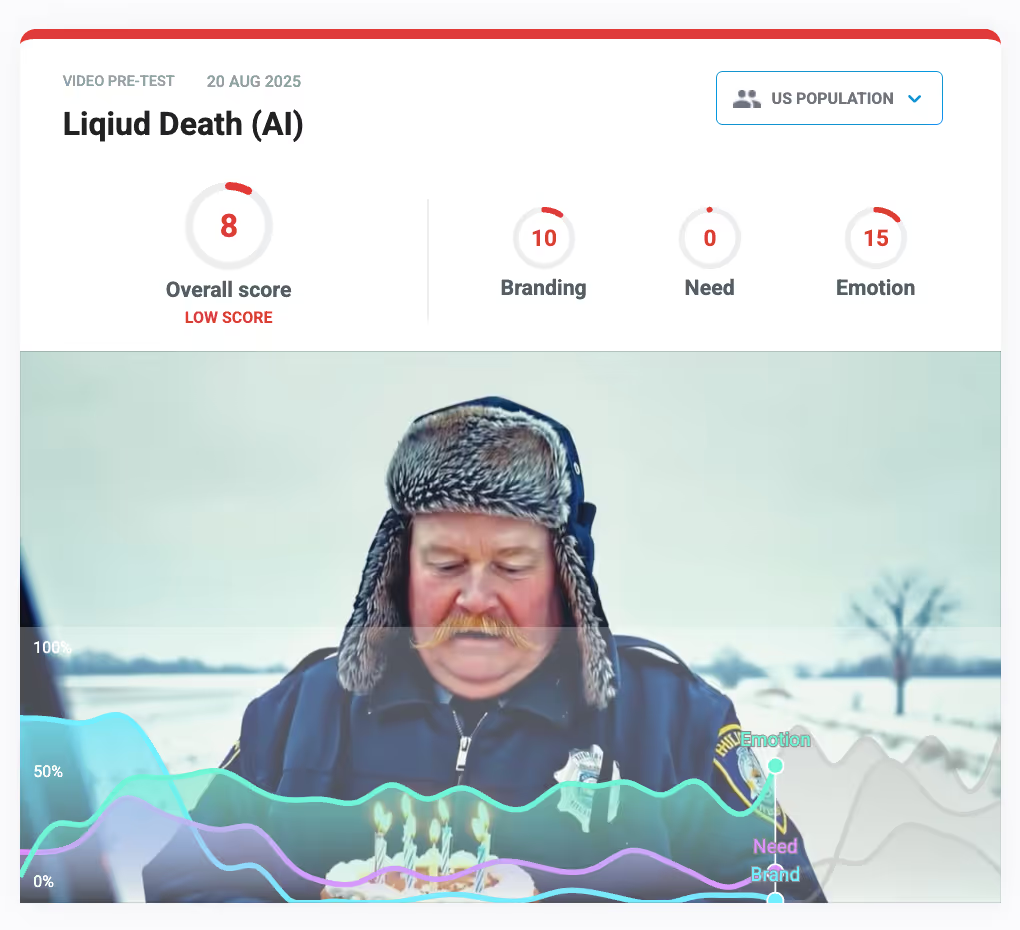
Key findings:
- Strong early branding: The ad achieved 72% brand recall within the first 5 seconds, showing powerful brand recognition.
- Confusing product association: The AI-generated story was so surreal that viewers struggled to understand what was being advertised.
- Low category recognition (29%) revealed a disconnect — the AI amplified the brand’s abstract “rebellious” vibe but lost sight of the actual product (water).
See the full results here.
5. eToro
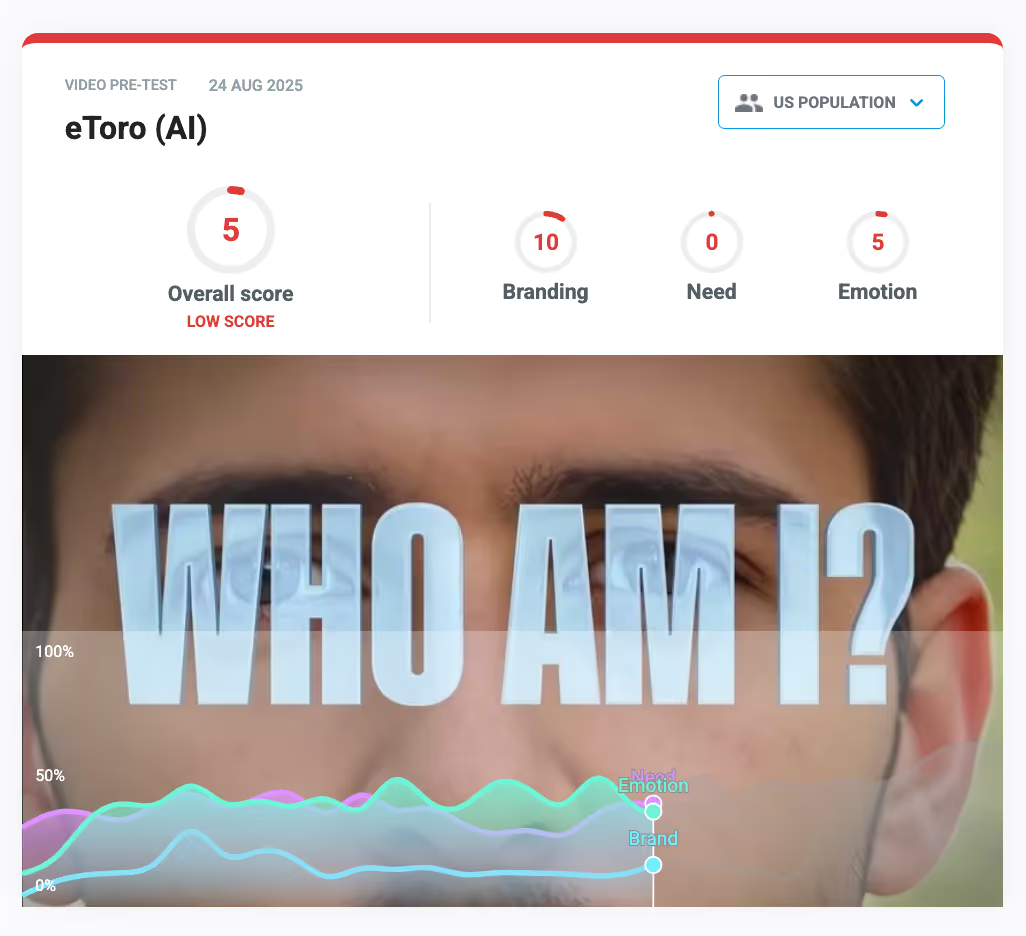
Key findings:
- Delayed branding: The ad introduced the brand only at the very end, leading to just 12% Brand Recall in the first 5 seconds.
- Overemphasis on style: In trying to look sleek and modern, the ad sacrificed brand presence and recognizability.
- High cost, low return: The AI-powered execution produced a polished but anonymous piece of content, resulting in significant budget waste.
See the full results here.
6. Amaysim

Key findings:
- Emotional success: The ad achieved 73% Positive Emotion, showing it strongly resonated with viewers.
- “Vampire Creativity” effect: The fast-paced, visually captivating execution overshadowed the brand itself, diluting its impact.
- Average brand recall (56%) revealed that the positive emotions weren’t effectively connected to Amaysim, resulting in a missed branding opportunity.
See the full results here.
7. ePojištění.cz
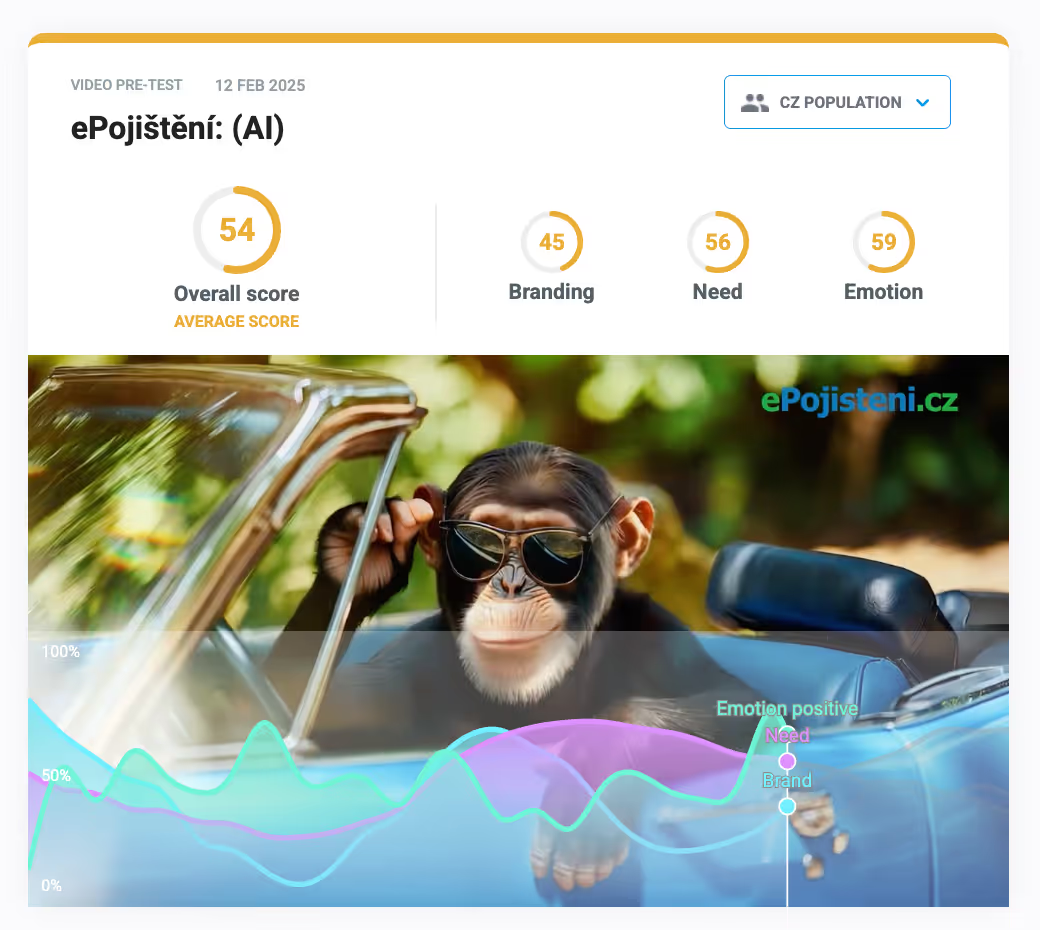
Key findings:
- Strong functional results: The ad performed well in brand recall (73%) and category recognition, proving its message was clear.
- Emotional disconnect: The AI-generated ape characters polarized viewers, leading to low positive emotion (47%).
- Missed opportunity: While memorable, the characters failed to build warmth or affection, limiting the campaign’s overall impact.
See the full results here.
8. Invia
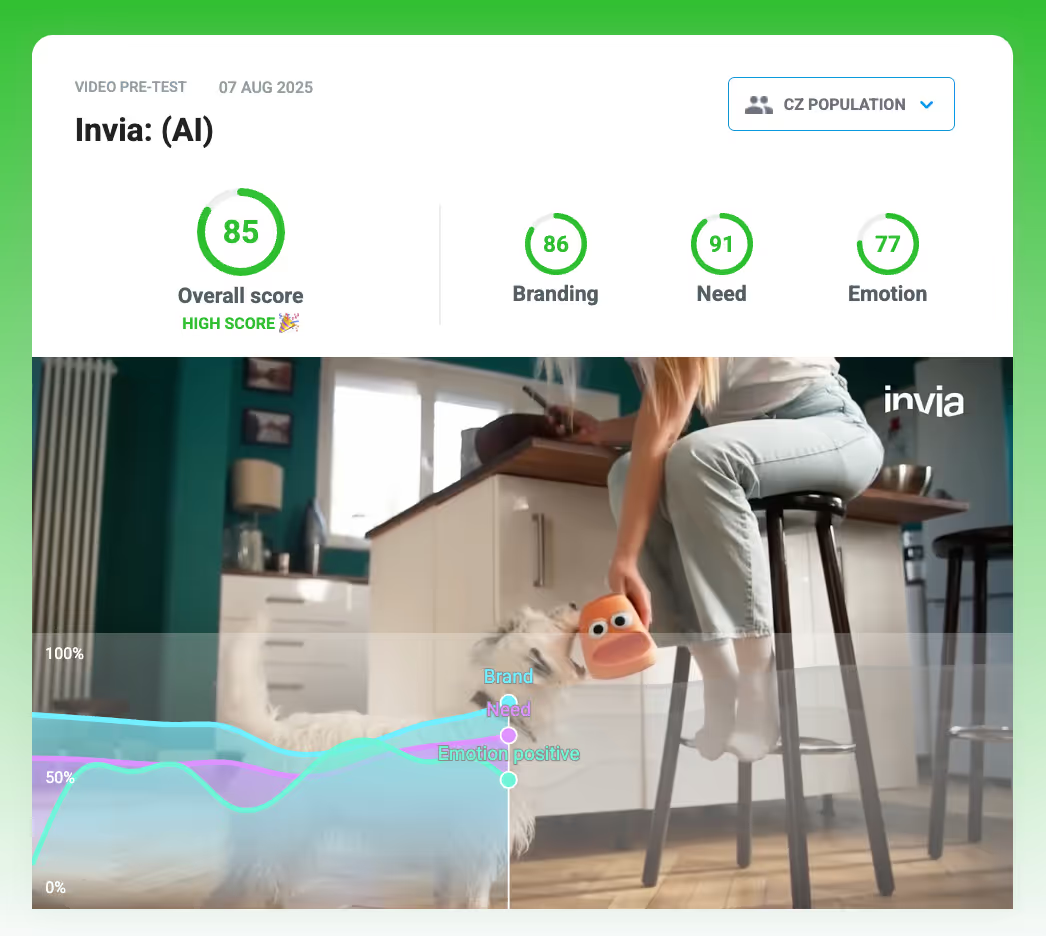
Key findings:
- Aligned brand and message: The brand (slippers) was front and center, and the Need (vacation) was immediately clear.
- High positive emotion: The use of humor drove strong emotional engagement.
- Outstanding performance: This combination delivered top scores across all key metrics, creating powerful mental availability for the brand.
See the full results here.
Frequently asked questions
No items found.



.avif)