The beauty industry is still booming, but one thing’s clear: sustainability isn’t the magic bullet it used to be.
As the market continues to grow, it’s becoming obvious that consumers are no longer prioritizing eco-friendly products in the way they once did. And that’s a game-changer for brands, big and small.
The changing dynamics of beauty marketing
In the past, sustainability was the go-to strategy for smaller beauty brands trying to stand out.
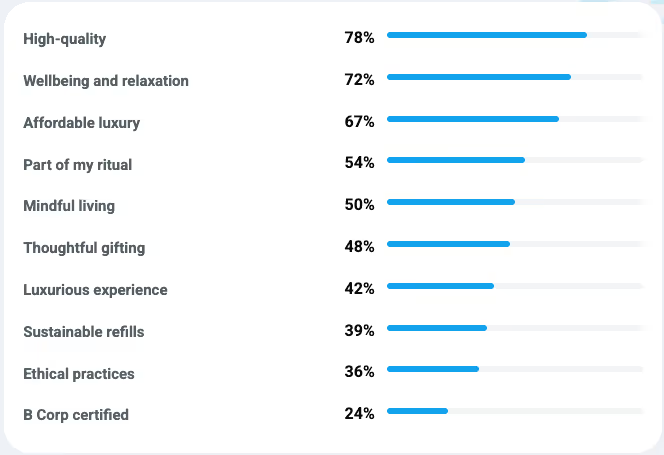
However, recent market research from Behavio, conducted in November 2025 with 1,000 Dutch consumers, shows that sustainability is no longer top of mind for most beauty buyers. In fact, less than 40% of them see eco-friendly features as a deciding factor when picking products.
Instead, buyers are more focused on quality, well-being, and luxury — things that go beyond just being green.
The rise and fall of sustainability in beauty
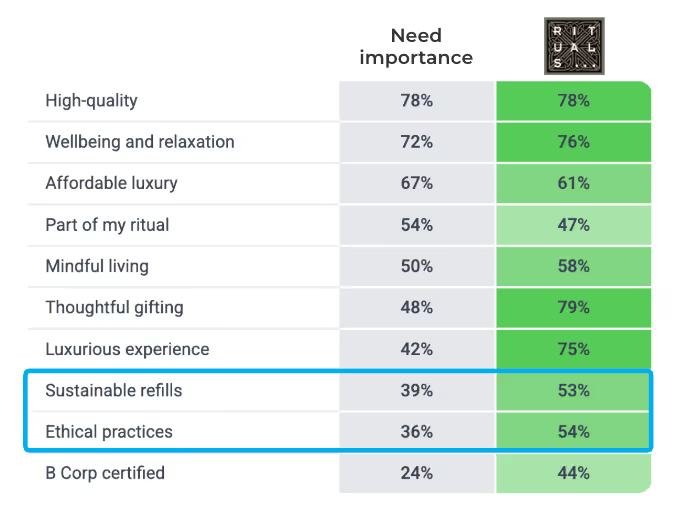
Once upon a time, smaller brands like The Body Shop built strong identities around sustainability, attracting consumers who cared deeply about eco-friendly beauty. But now, major players like Rituals and L'Oréal have embraced sustainability as part of their bigger brand strategies, which has watered down its uniqueness.
Behavio’s data reveals that sustainability is no longer a special selling point. Rituals, for example, now owns a dominant 53–54% association with sustainability-related needs.
For smaller brands, trying to use sustainability to stand out isn’t an efficient approach anymore.
What do consumers really want in a beauty brand?
Consumers in the beauty space are looking for quality, luxury, and overall well-being. According to Behavio’s research, 78% of consumers prioritize high-quality products, with wellness and relaxation also ranking high at 72%.
On the other hand, sustainability — like using eco-friendly packaging or sustainable refills — only matters to 39% of buyers
This shift in priorities means that brands should focus on addressing consumers' immediate desires, not just their eco-consciousness.
Strategic recommendations for beauty brands
Small brands
Small and emerging brands should de-prioritize sustainability unless they are targeting a very specific micro-niche. Instead, these brands should consider linking sustainability to tangible product benefits, such as using artisanal methods or highlighting specific ingredients. Sustainability can still be a part of the story, but it shouldn’t be the whole story.
Medium-sized brands
For medium-sized brands (with less than 30% market penetration), sustainability as a core focus won’t take them very far. Instead, they should try to tap into more important and underserved needs — like affordable luxury, which has worked wonders for brands like L'Oréal.
Large brands
For large brands, sustainability should be treated as a secondary priority. While it is essential to maintain a sustainable image to prevent brand erosion, the real growth will come from positioning the brand as high-quality and wellness-driven,
Final thoughts
The beauty industry is evolving, and sustainability is no longer the driving force it once was. Behavio’s research shows that consumers are now more interested in quality, luxury, and well-being.
So, if you’re a brand trying to thrive, it’s time to shift your focus. Sustainability is still important, but it’s not the key to success anymore, especially for smaller brands.
Brands that adapt to what consumers truly want and move beyond just being “green” are the ones that will continue to grow in 2026.
Want to gain deeper insights into your market?
Behavio’s market tracking platform provides real-time data to help you stay ahead of the competition and make informed decisions based on your brand’s performance — book a demo!
Frequently asked questions

Recent research by Behavio shows that consumers now prioritize factors like product quality, luxury, and well-being over sustainability.
No, small brands should not prioritize sustainability as their main strategy. The niche for sustainability has closed, and it's no longer a powerful differentiator. Instead, small brands should focus on unique product benefits, such as artisanal qualities or specific ingredients, to stand out.
For large brands, sustainability should be a secondary focus. It’s important to communicate eco-friendly practices to protect brand health and avoid losing customers to competitors, but the main focus should be on offering high-quality products that meet consumers' needs for well-being and luxury.





.avif)