Uber Eats' Gordon Ramsay ad: who could spot the brand at a time like this?
A famous chef, 17 markets, and a World Cup. So why did only 28% of Dutch viewers recognize Uber Eats?
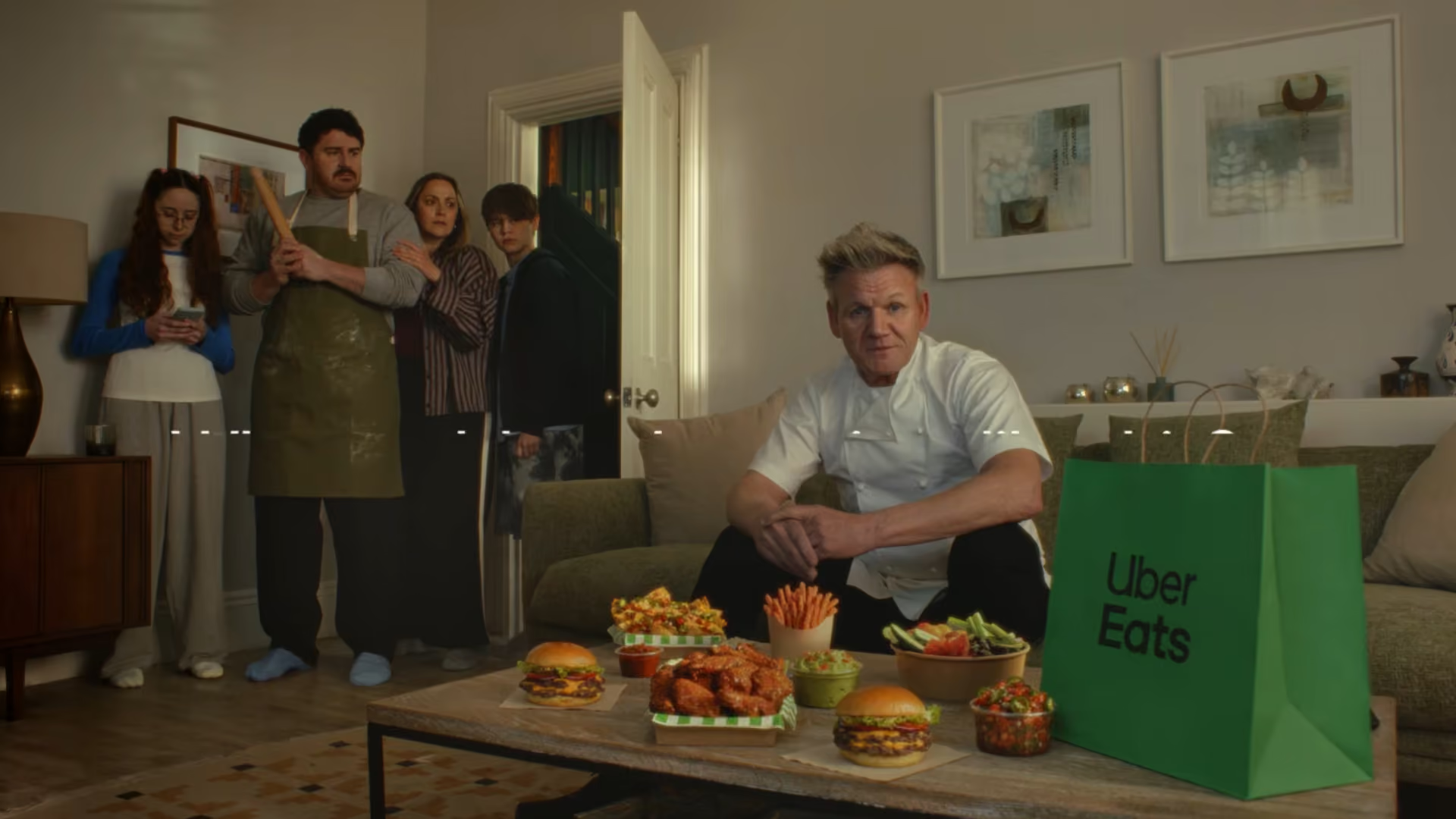


Gordon Ramsay has spent decades telling people how to cook. This summer, he goes door to door telling them not to bother.
That contradiction is the idea behind Uber Eats: Who could cook at a time like this?, the brand's first-ever global campaign, made by Mother and running across 17 markets during the World Cup. Ramsay barges into homes mid-cook, demands people put down the pans, and tells them to turn on the football and order in instead.
It's chaotic, funny, and built for the tournament buzz. But when Behavio tested the spot with 700 people (including 304 category buyers) in the Netherlands, one thing kept getting lost: the brand itself.
Breaking down the Uber Eats ad
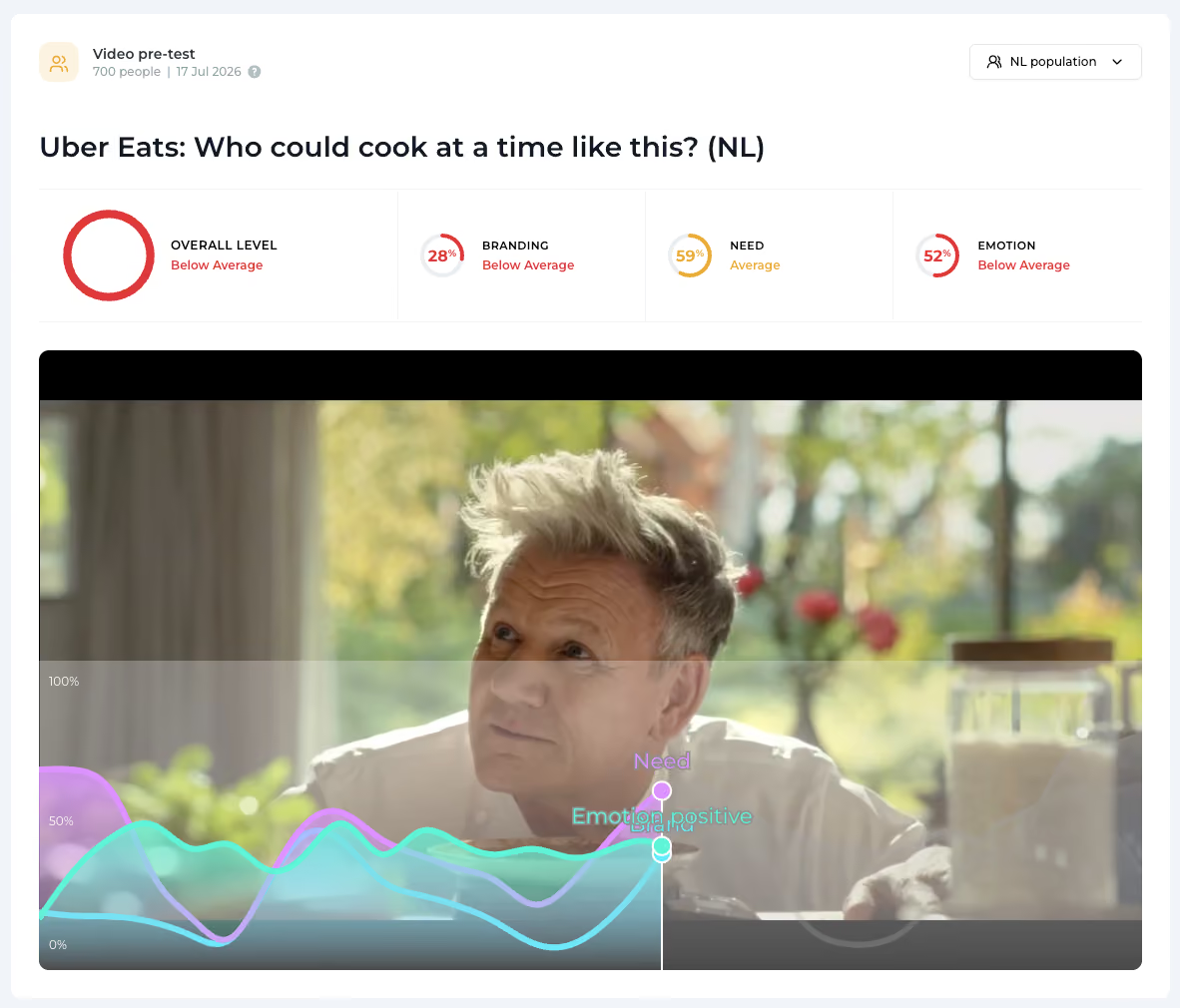
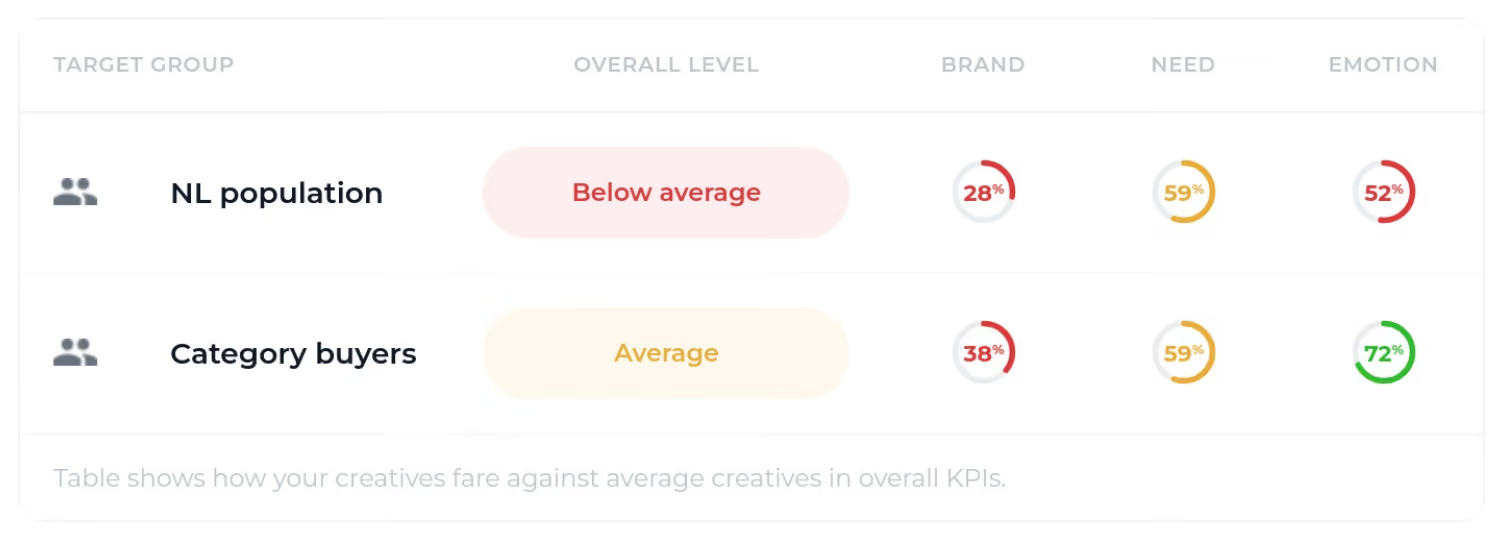
The creative scores better than only 29% of ads in Behavio's database, a below-average overall result. The idea is strong, and people mostly enjoy watching it. But the fun rarely points back to Uber Eats, so the ad struggles to build the brand's mental availability.
Branding: the celebrity is stealing the show
Only 28% of viewers could recognise Uber Eats in the ad, against a 48% average. Worse, just 16% recognised the brand in the first five seconds, well below the 47% average.
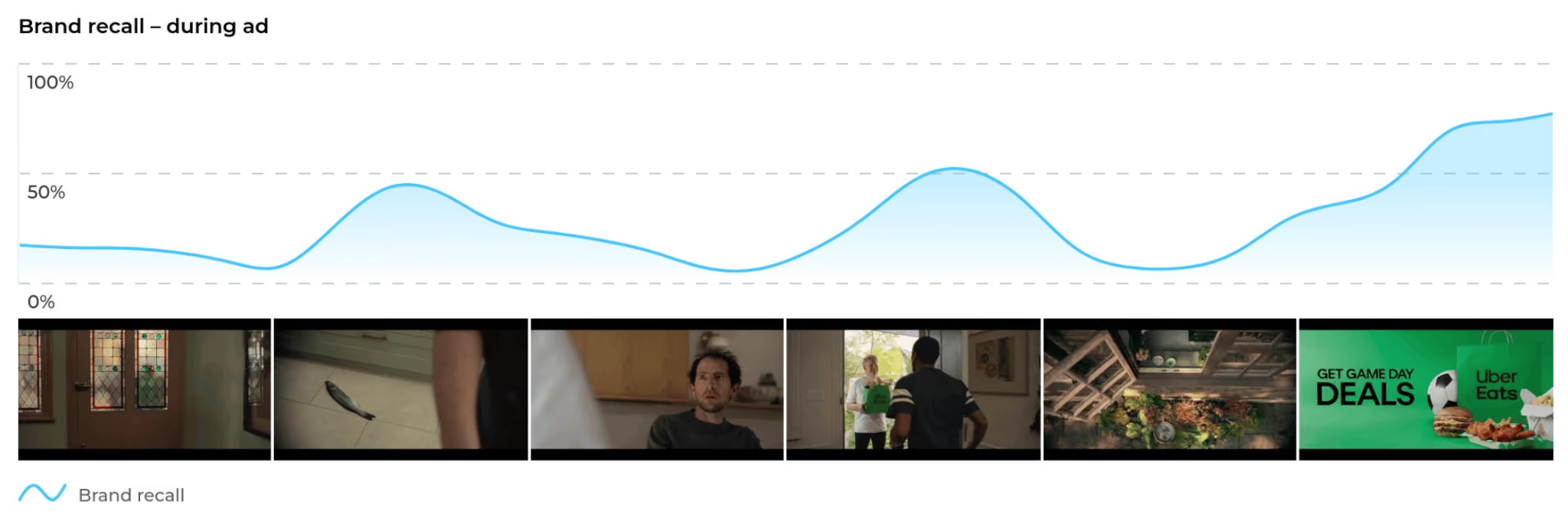
The second-by-second data shows why. Brand recall peaks in two places: when a delivery bag with the Uber Eats logo appears and during the final packshot.
Everywhere else, the brand goes quiet. Gordon Ramsay is magnetic, and that's the risk with a big celebrity: people remember him, not who's paying him. For those important first five seconds, viewers are watching a famous chef, not a food delivery brand.
💡 Behavio's Insight: When an ad is built around a celebrity, the brand has to work twice as hard. Weave Uber Eats through the whole story, not just the bag and the end card. Add brand mentions to the voiceover and use brand cues early, so recognition starts in second one, not second thirty.
Need: the category lands, the message wobbles
The category comes through. 59% of viewers picked up “food delivery:, edging past the 57% benchmark for category recall.
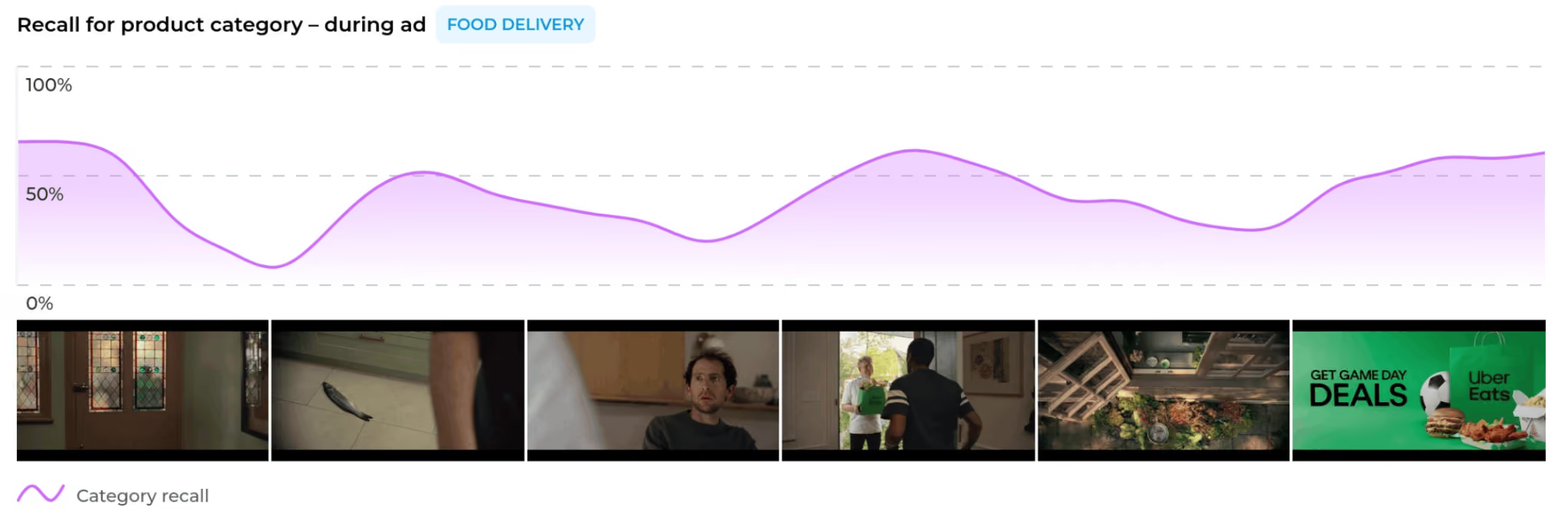
The scenes featuring the delivery bag and Ramsay encouraging people to order in also do their job, helping the “skip cooking” message reach 55%. But the second message, "enjoy the game," only reaches 43%, a low score. Many viewers miss the World Cup connection, so half the point of the timing gets lost.
The association data has a bigger problem. When Behavio asked who owns these messages, Thuisbezorgd dominates: 66% for food delivery and 63% for skip cooking, versus Uber Eats at 10% and 12%. So even when the category is clear, viewers' minds drift to the market leader, not to Uber Eats. Strong branding is the only way to pull those associations back.
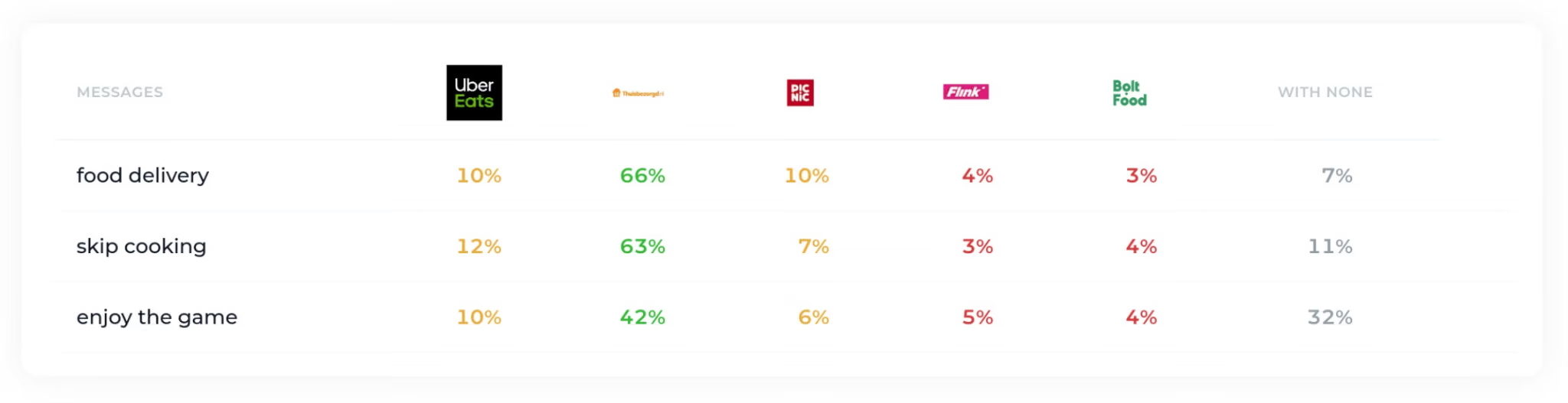
The verdict: the category is clear, but the ad isn't claiming it for Uber Eats.
Emotion: fun to watch, but a bit too much bite
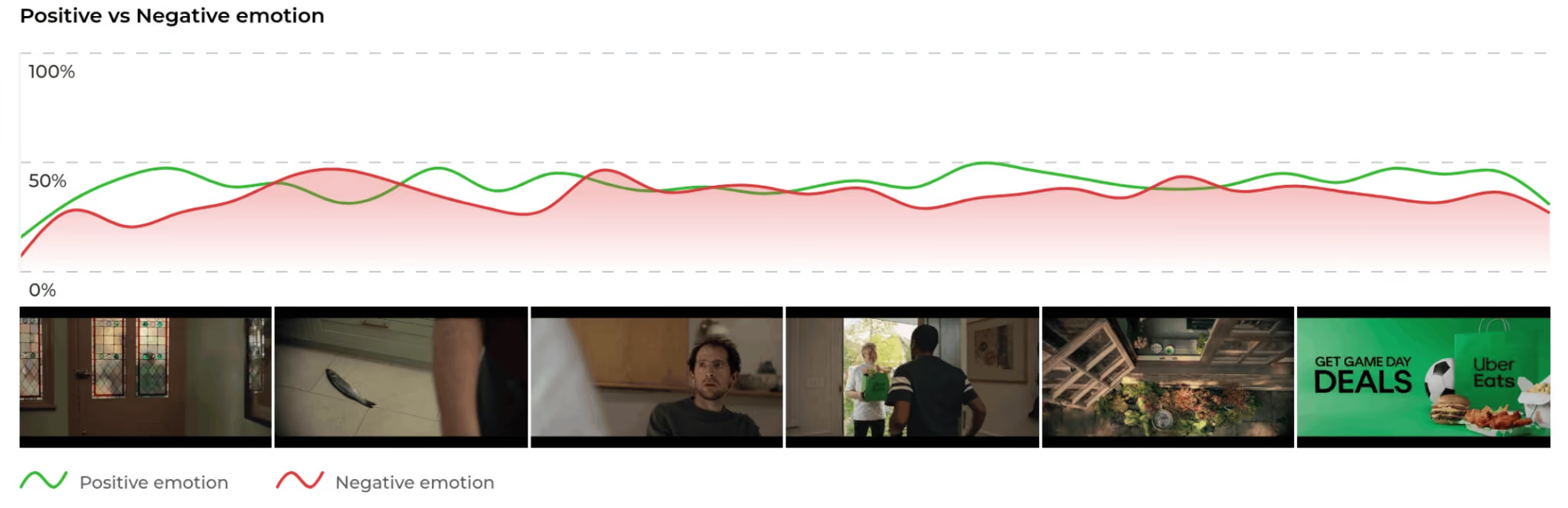
52% of viewers liked the ad, under the 63% benchmark and enough to rank in only the bottom 12% of ads on emotion. That's a shame, because a likeable ad was well within reach.
Positives do outweigh negatives: humour and the surprise moments drive the peaks, and the dips only come from Ramsay himself. Viewers found some of his behaviour too aggressive and exaggerated, and the swearing and shouting tipped a chunk of the audience into negative territory rather than laughter.
The ad also scores 83% on "easy to understand", which sounds fine until you see the 92% average. Some viewers missed the joke. They didn't get why a chef would tell people not to cook.
💡 Behavio's Insight: Dial the aggression back a notch and make the setup clearer. If the audience understands the premise faster, the gag lands harder, and the negative emotion fades. Comedy this broad only works when everyone's in on it.
The verdict: a good comic idea held back by too much shouting and a joke that doesn't quite explain itself.
Final thoughts
A strong creative concept that underdelivers on brand building. People enjoy watching it, the category comes through, and the humour mostly works. But the star outshines the brand, the World Cup hook gets lost, and Thuisbezorgd owns the associations Uber Eats is chasing.
The idea is good. It just needs to say "Uber Eats" as loudly as it says everything else.
One more point: among category buyers (people who order delivery at least monthly), the ad is far more enjoyable, and emotion jumps to 72%. The creative works for the core audience, but brand recall stays low even for them, which only sharpens the fix.
Key wins
- Category recognition beats the benchmark (59% vs 57%)
- Humor and surprise moments drive real positive engagement
- Strongly enjoyable for frequent delivery buyers (72% emotion)
Opportunities to improve
- Get Uber Eats on screen and in the voiceover from the first second, not just the packshot
- Ease off Ramsay's aggression and clarify the "don't cook" setup so the joke lands
- Make the World Cup / "enjoy the game" link explicit. Right now only 43% catch it.
The verdict: a spot people remember for the chef, not the brand.
Ramsay's ad is already live in 17 markets. The branding fix would have cost a few days before launch.
Behavio's Ad Testing shows you second-by-second where your brand registers and where it disappears, plus what to change while there's still time to change it. Test your next spot before the media spend, not after.