Most viewers loved the Gordon Ramsay Uber Eats ad. Far fewer could name the brand behind it
We tested Uber Eats' Gordon Ramsay World Cup ad with 700 UK viewers: it beats 95% of ads on emotion, yet only 38% could name the brand.
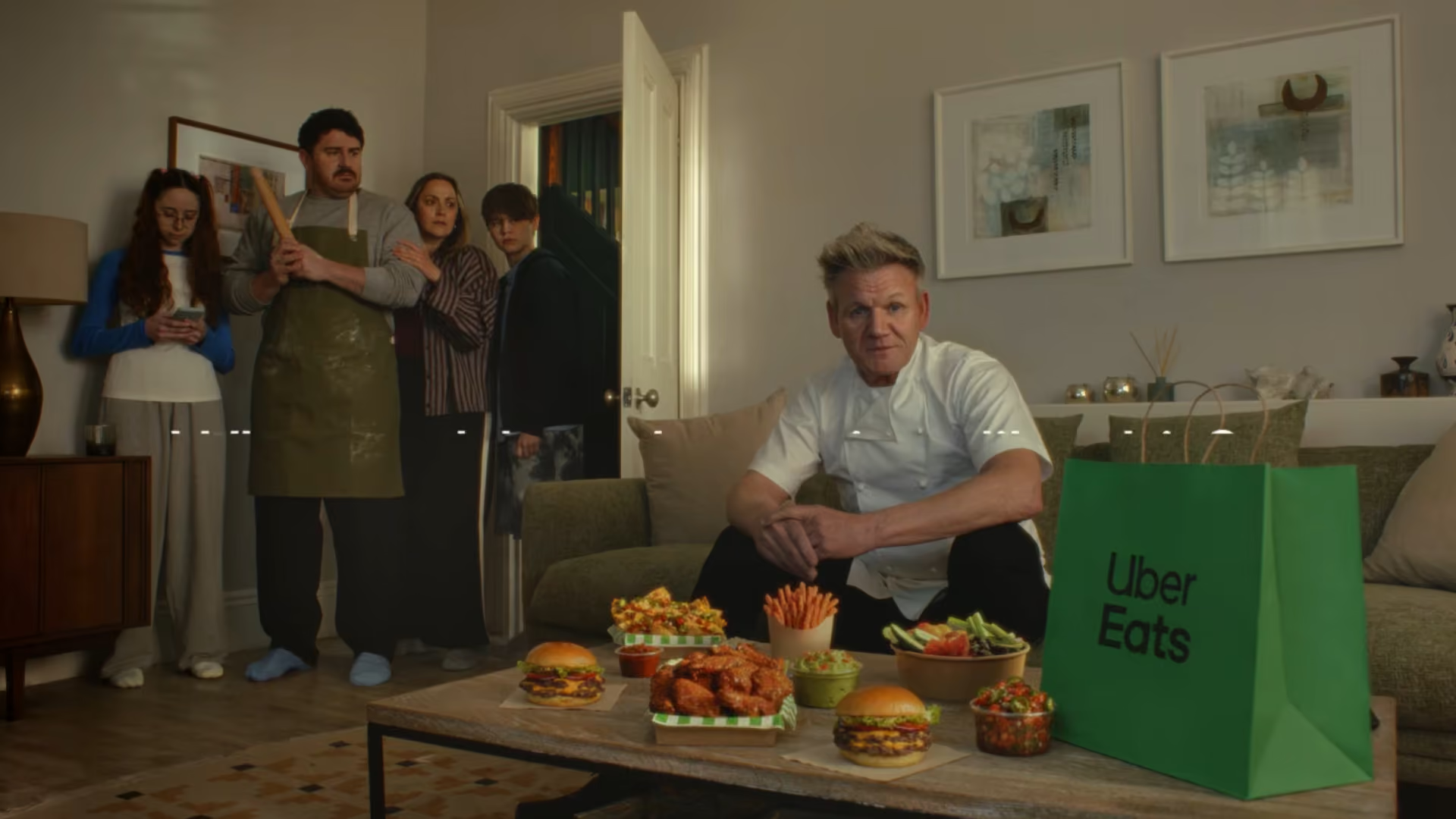


Hiring a 17-time Michelin-starred chef to talk people out of cooking is a decent gag. Building your first global campaign on it takes nerve.
The Uber Eats campaign “Who could cook at a time like this?”, created by Mother, ran across 17 markets during the World Cup. It featured Gordon Ramsay barging into people’s kitchens, telling them they were missing the match, and insisting they order in instead.
It's loud, funny, and perfectly timed. But when Behavio tested the spot with 700 people in the UK, one ingredient kept going missing: the brand.
Breaking down the "Who could cook at a time like this?" ad
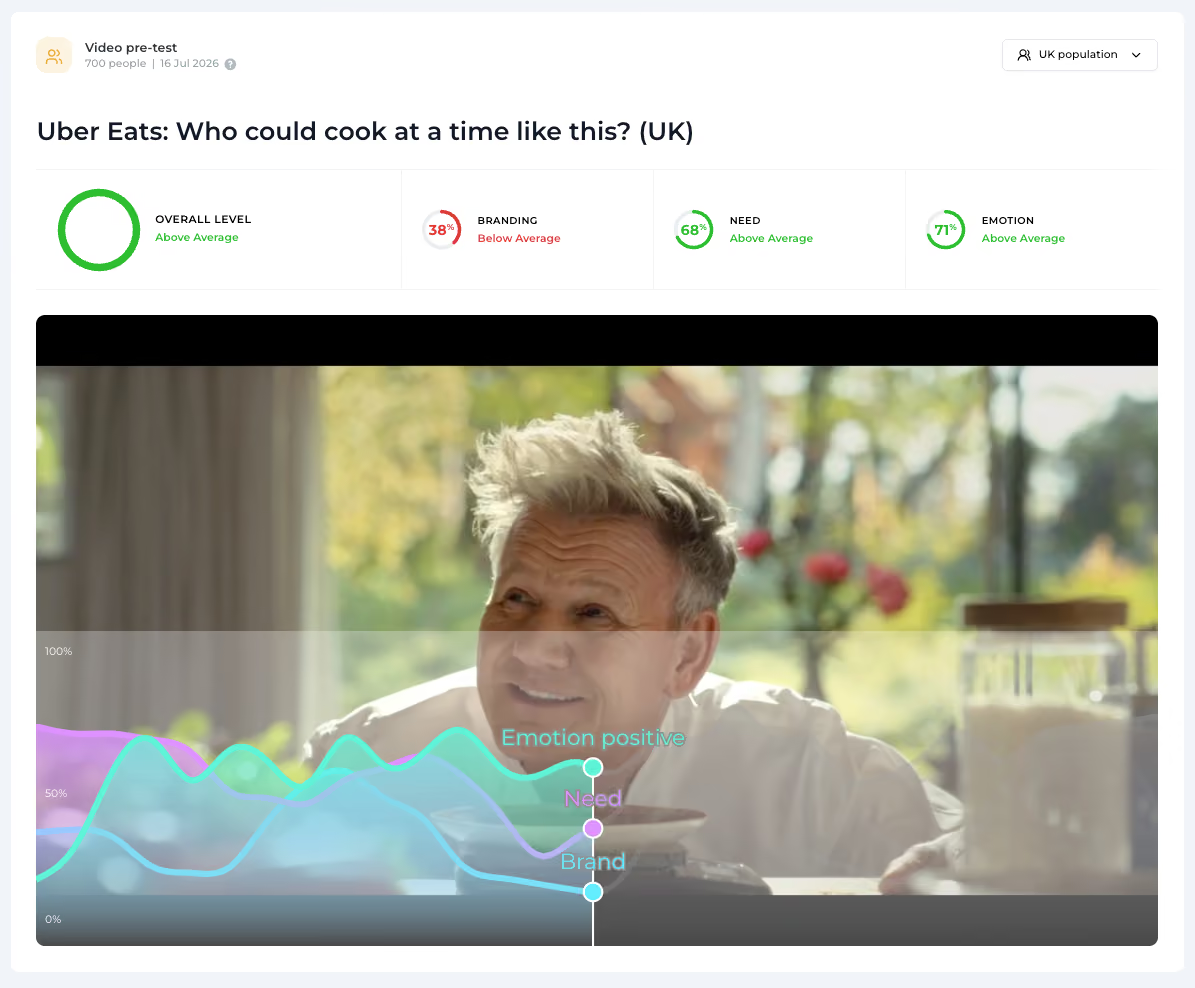
Behavio ran the ad through a pre-test, measuring the three things that make advertising work: branding, need, and emotion. The verdict overall is good. The ad scores better than 70% of ads in the benchmark database, and it does it on the back of two very strong numbers and one weak one.
Emotion: better than 95% of ads
This is where the spot earns its budget. 71% of UK viewers like the ad, against a 53% average. That puts it in the top 5% of ads Behavio has tested.
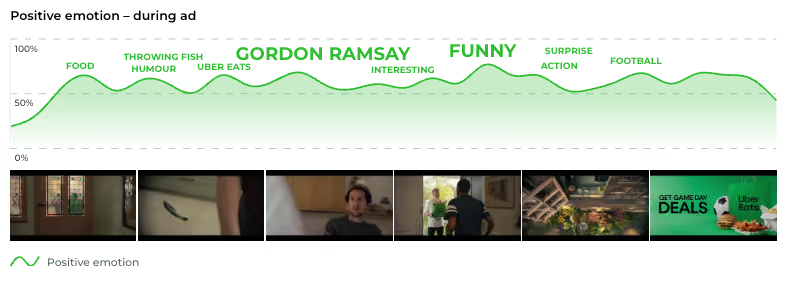
People named Ramsay, the humor, the football, and the sheer absurdity of the fish-throwing as the moments they enjoyed most.
The ad is also properly distinctive: 66% call it original, well above the 42% average. When every delivery ad looks like the last one, that's rare.
Takeaway: Mother built an ad people actively enjoy watching. That's the hard part, and it's done.
Need: the category comes through loud and clear
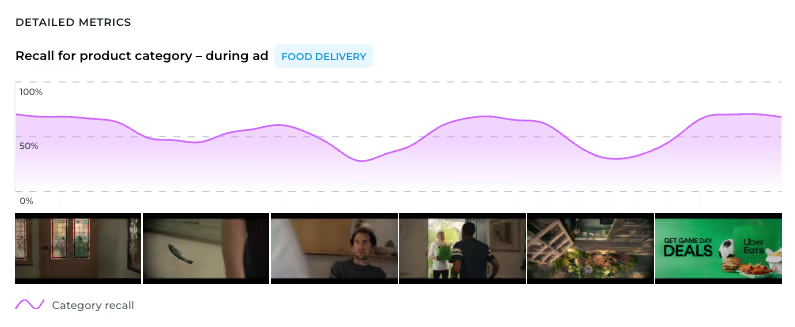
68% of viewers recognize the food delivery category in the ad, against a 56% average. Category recall stays high from the first frame to the last, helped by the delivery bags, the doorstep scenes, and the simple fact that the whole story is about food arriving instead of being cooked.
The specific messages are a step behind. "Skip cooking" lands with 59%, just above the 56% benchmark. "Enjoy the game" lands with 50%, below it. The football framing is doing less work than the anti-cooking framing, which makes sense: Ramsay's interventions are about the kitchen, and the match is mostly implied.
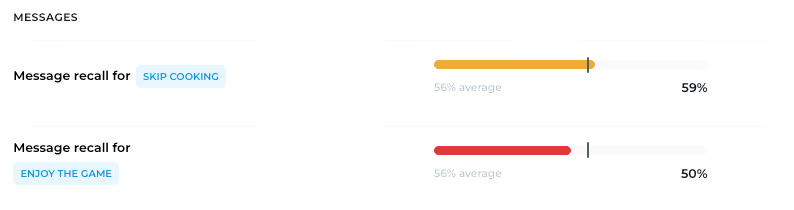
Takeaway: the category signal is excellent. The campaign message is fine. The tournament hook is the weakest of the three, which matters if the football is meant to be the reason to order tonight.
Branding: only better than 22% of ads
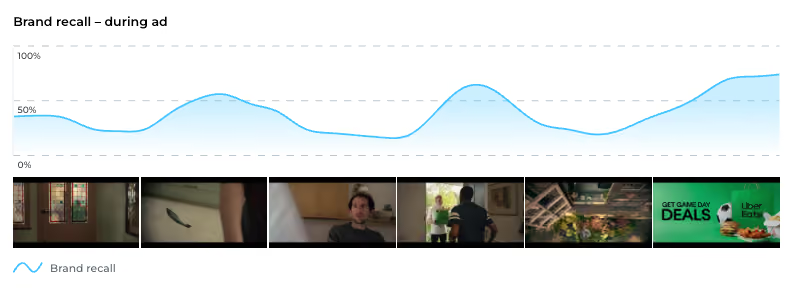
Here's the bill for all that entertainment. Just 38% of viewers link the ad to Uber Eats, against a 53% average. In the first five seconds, only 35% get there, versus a 49% benchmark.
The second-by-second data shows exactly why. Brand recall spikes in three places: when a delivery bag appears, when a courier is at the door, and at the final packshot. In between, it flatlines.
Compare it against the emotion curve and the problem is obvious. Positive emotion runs high for the entire film, but brand recall only catches up at the very end. The funniest moments are not branded moments. All that attention is going somewhere, and it isn't going to Uber Eats.
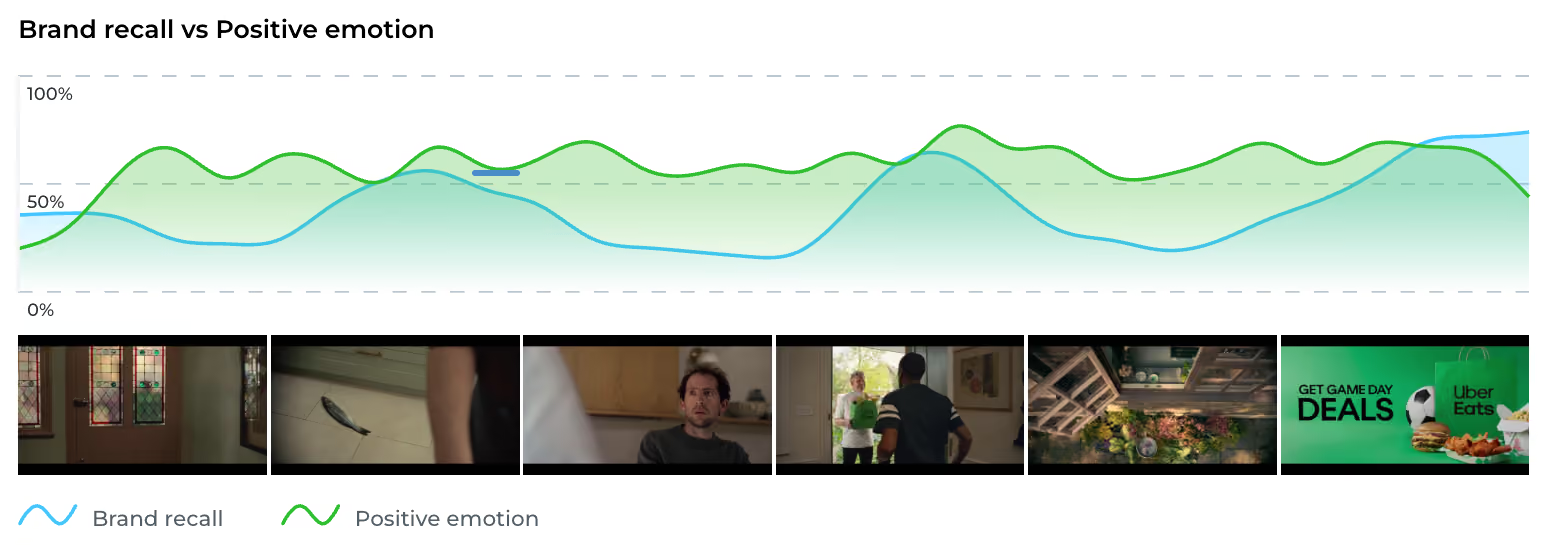
The celebrity is a factor. Ramsay is the most memorable thing in the ad by a distance, and when a famous face carries the story, the brand has to work harder to stay in frame, not less.
💡 Tip: put the brand inside the joke, not next to it. Ramsay arriving with a green Uber Eats bag already in hand, naming the brand in his rants, or branding the chaos in the kitchen would all attach the humor to Uber Eats instead of to Gordon.
Among people who actually order, everything improves
Category buyers, people who order delivery at least monthly, respond better across the board. Emotion climbs to 82%, need to 73%, and brand recall to 46%, with 50% getting the brand in the first five seconds. The ad clearly connects with the people most likely to buy.
But even in the best-case audience, brand recall sits below the 53% all-ads average. The branding gap isn't a targeting issue. It's a creative one.
Final thoughts
This is a strong ad with one fixable flaw. The idea is sharp, the execution is funny, and the category message is one of the clearest Behavio has measured. The brand just isn't holding on to any of it.
Key wins
✅ Top 5% for emotion: 71% like the ad vs a 53% average
✅ Genuinely distinctive: 66% call it original vs 42% average
✅ Category display beats 91% of ads at 68%
Opportunities to improve
⚡ Brand recall at 38% is better than only 22% of ads
⚡ Only 35% recognize Uber Eats in the first five seconds
⚡ Just Eat currently owns "skip cooking" in the UK (32% vs 22%)
Want to dig into the full results? Check them out on Behavio's platform.
(Psst, if you're putting a celebrity at the center of your next campaign, pre-test it. Famous faces lift attention and eat brand recall at the same time, and you'd rather find that out before the media plan than after.)