

How David turned a frozen cod stunt into a brand-building lesson
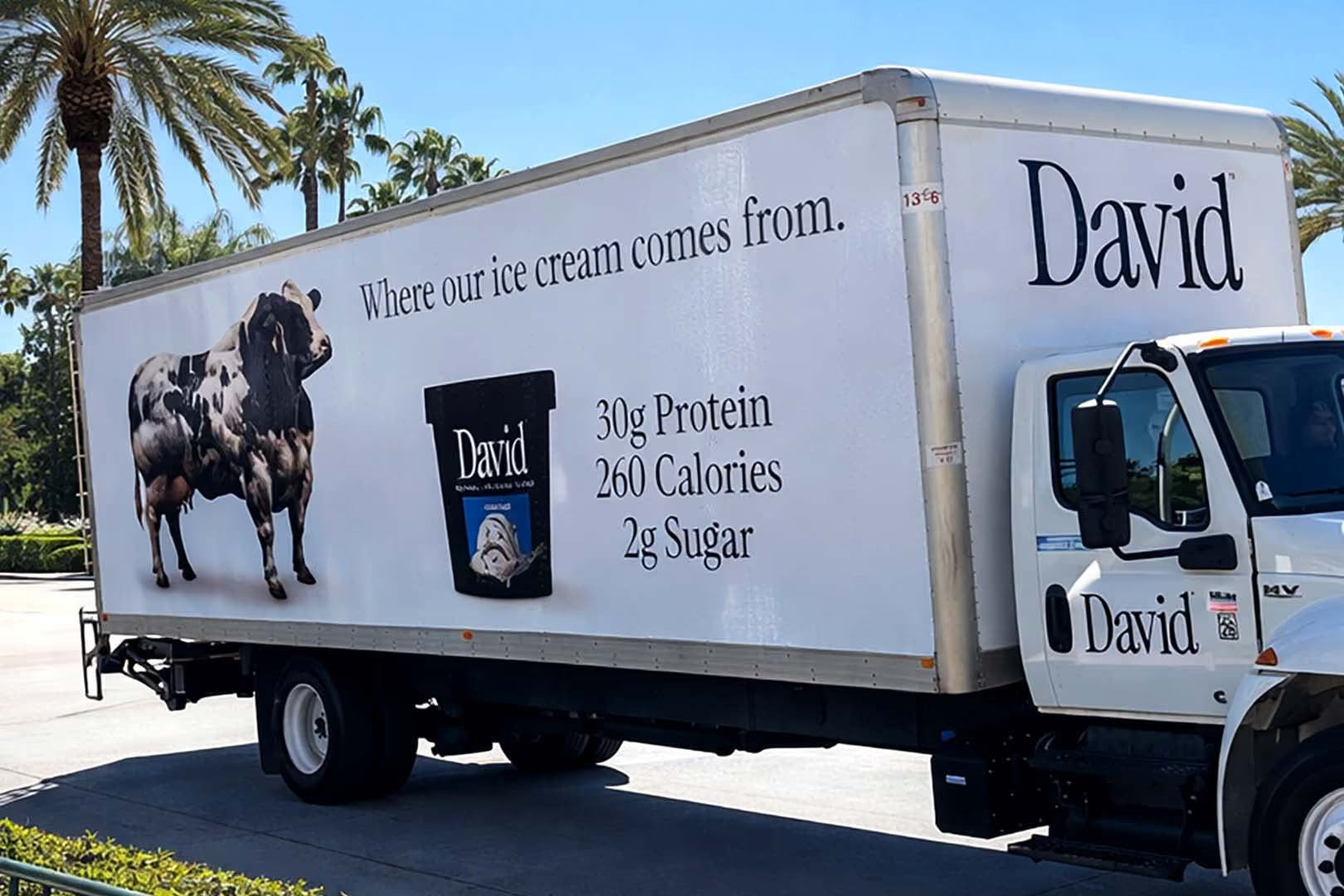
If you run marketing at a growth-stage brand, you've probably seen the David stunts by now. The cod. The tinned fish sequel. The muscle-bound cow teasing an ice cream launch. Every few weeks there's a new one, and every time your LinkedIn feed fills with marketers speculating how the brand was able to pull it off.
The question underneath all of it: does a viral moment like this build a brand, or does it just burn budget on noise?
David's cod stunt worked. But it didn't work for the reason most people think. It wasn't the humor, it was what the humor was carrying.
What was the meaning behind David's cod campaign?
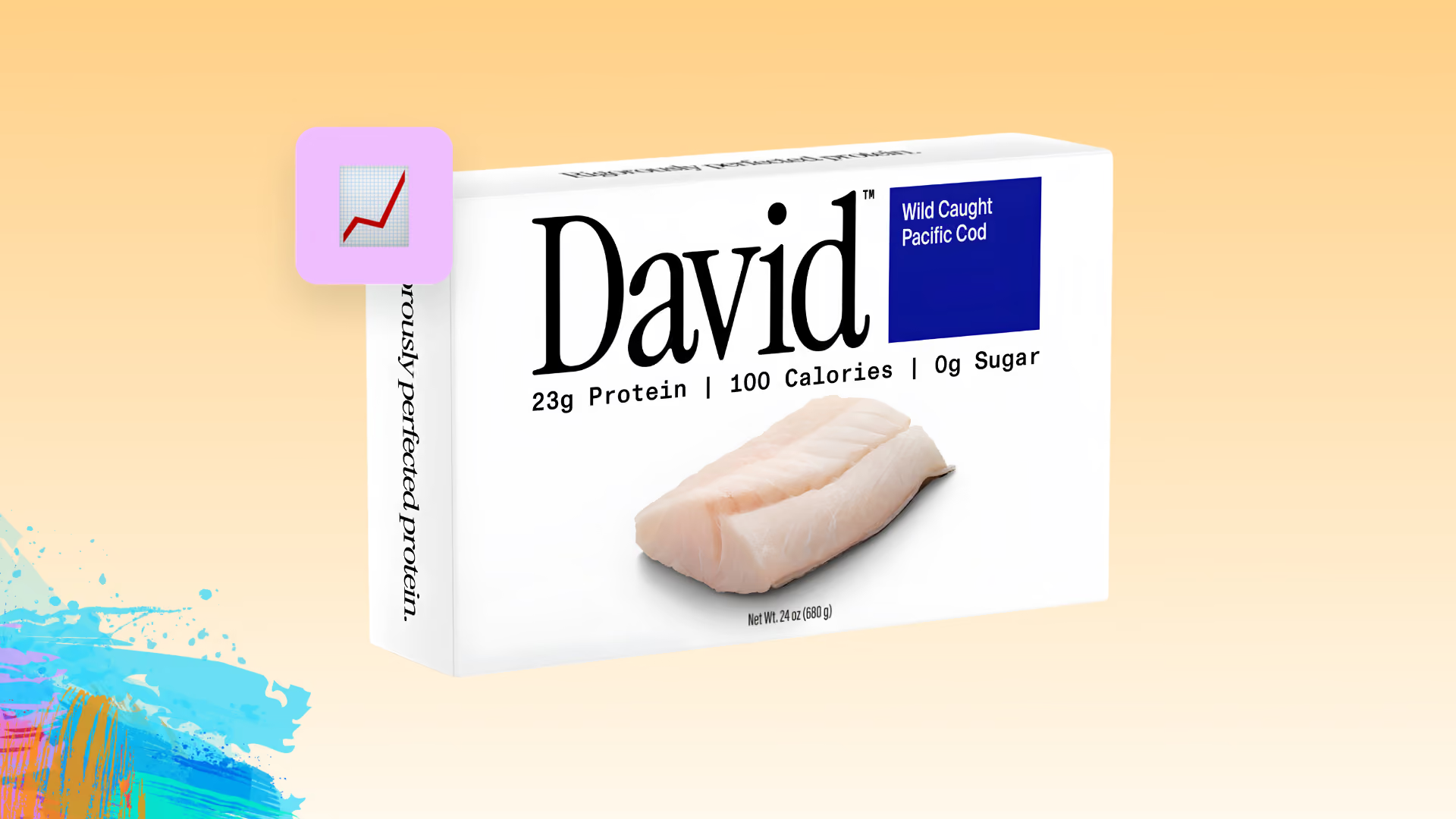
In summer 2025, David Protein launched a product nobody asked for: wild-caught Pacific cod, $55 for four fillets. The billboards were almost aggressively boring. A plate of plain boiled white fish, with a line noting the cod had slightly more protein per calorie than David's bars.
That was the whole joke. And it landed. In its first week, the campaign drove a 1,000% jump in Instagram engagement, 14,000% on X, and 1,100% on LinkedIn. Other brands raced to make their own parodies. The cod became a meme.
But the mechanic is the part that's actually worth copying. The cod wasn't a real product launch, it was a comparison anchor.
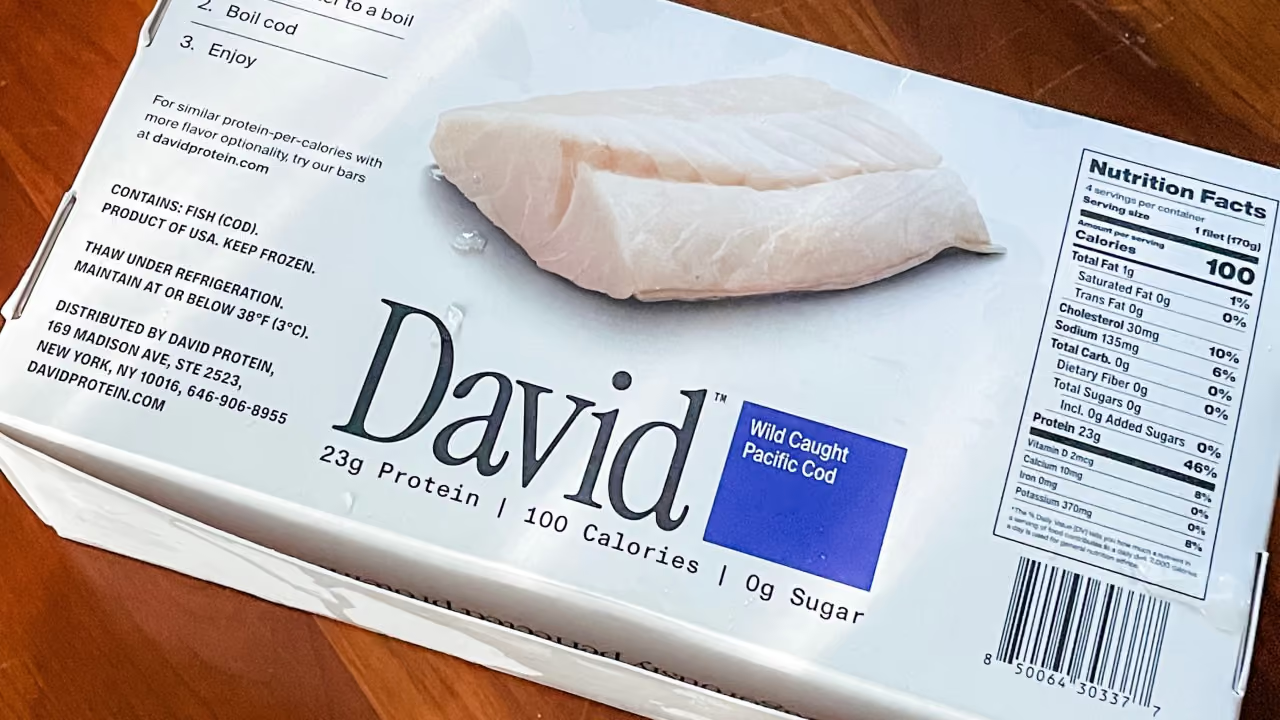
David's bars pack 28 grams of protein into 150 calories, while cod gives you 23 grams in 100 calories. By putting itself next to the one food with a better ratio, David reframed its own bars. They stopped looking like an expensive processed snack and started looking like the most protein-dense convenient food you can buy.
Wharton marketing professor Jonah Berger called it a Trojan horse. The absurd fish story was the horse, and the message about protein density was the payload hidden inside. The slightly confusing framing even helped, because people who "got it" felt smart explaining it to everyone else. That's free reach, built into the joke.
And the cod itself barely sold. David's CEO has been open about this: there was no product-market fit for frozen fish. That was never the point. Attention was the point.
Why did David's cod stunt work?
The cod stunt worked because it attached David to a single buying trigger and repeated it until the brand owned it. Here's the mechanism underneath.
People don't buy your brand just because they remember your name. They buy it because your brand pops into their head at the exact moment they have a need. A marketer needs a buying occasion, a need, a situation. "Maximum protein without the calories" is one of those triggers. The more reliably your brand shows up when that trigger fires, the more you sell.
Marketers call these triggers category entry points (CEPs), and the strength of the link between your brand and those triggers is what makes a brand easy to buy. David has one CEP it cares about above all others: most protein, fewest calories. Every stunt is meant to hammer in that same idea.
That's the thing people miss when they copy David. They copy the weirdness. They think the lesson is "be absurd, go viral." But the cod, the tinned fish, the muscle cow — they all point back to the exact same buyable idea. The repetition is the strategy, and the gags are just the delivery.
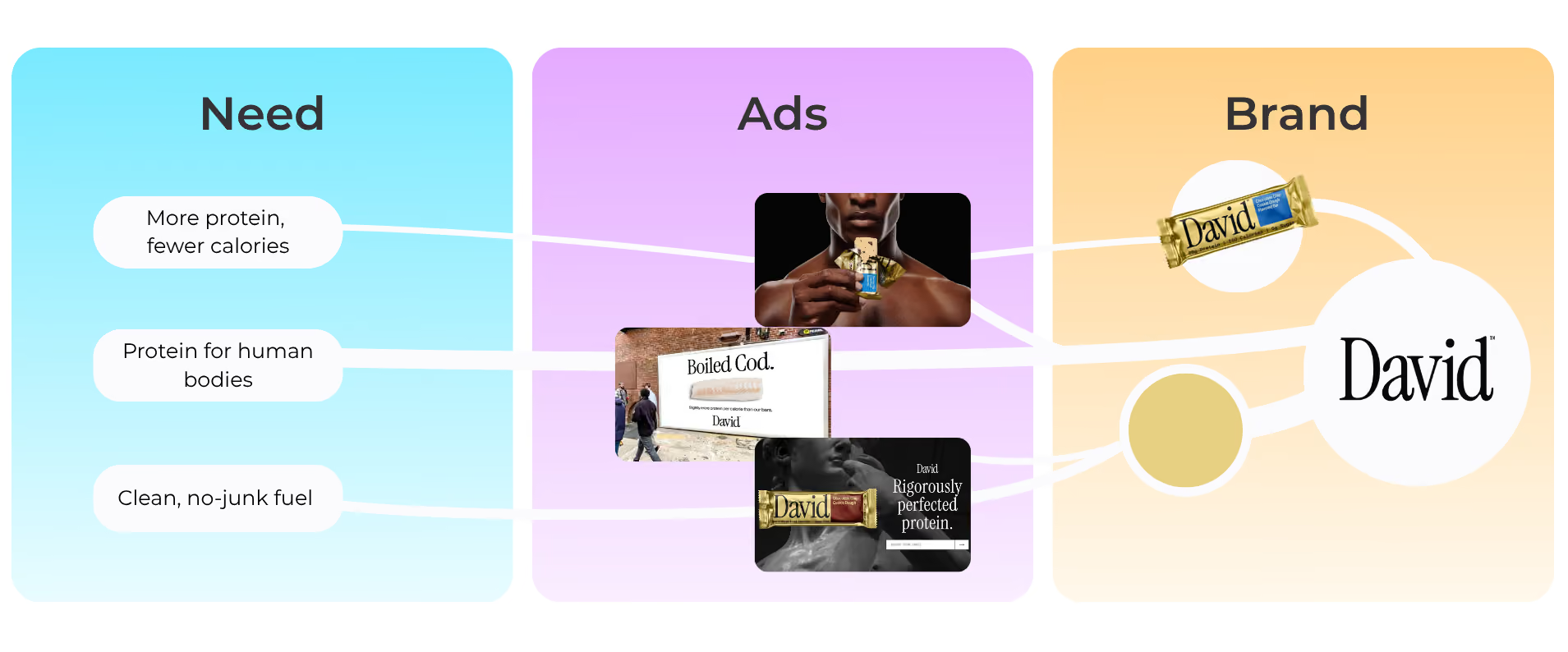
A single viral hit fades in a week. A brand that ties every moment back to one clear buying trigger builds something that compounds. That's the difference between a meme and a brand.
Does going viral actually build a brand?
Not on its own. Going viral builds a brand only when the attention is tied to a clear reason to buy. Without that link, virality is easy to admire and almost impossible to bank.
A spike in mentions feels like a win. The chart goes up and to the right, the comments roll in, someone screenshots it for the all-hands. But buzz is not the same as brand building.
Attention that isn't tied to a buyable idea evaporates. You get the spike, you get the laughs, and three weeks later nobody links your brand to a reason to buy. You paid for a party, not a brand.
Most brands never actually check which one they got. They see the engagement numbers, declare victory, and move on. But engagement tells you people noticed, not if they now connect your brand to a moment when they'd reach for it. Those are two completely different things, and only one of them predicts growth.
David got one thing right: the cod was so tightly tied to its core message that the attention had somewhere to land. Most "viral moments" have no such payload. They're funny, they travel, and they teach the audience nothing about why to buy you.
How do you measure if a viral campaign built your brand?
You measure it by tracking whether the link between your brand and its key buying triggers got stronger, not by counting mentions. Before the moment, how many people connected your brand to "maximum protein, fewest calories," or whatever your version of that is? And after? If that link grew, you built something. If it didn't, you threw a party.
Here's where the gap in most brand-strategy debates lies. Many of us will head to LinkedIn to argue about whether the creative was clever or just buzz-worthy. But almost nobody checks whether it moved the metrics that actually drive sales.
David's cod stunt makes the point for us. The right question isn't "did people notice," it's "did people now link us to a reason to buy." One is a vanity chart. The other is what makes your brand a long-term success.
Want to know if your big moment actually built your brand? See what Brand Tracking measures.
Related reading:
Frequently asked questions

David's cod campaign was a 2025 marketing stunt where the protein brand sold wild-caught Pacific cod for $55 a box. The joke: plainly boiled cod has slightly more protein per calorie than David's bars, one of the few foods that does. The point was never to sell fish. It was to anchor David's core claim (most protein, fewest calories) in a comparison people couldn't ignore. The cod itself sold modestly; the attention was the payoff.
Both, but the virality only mattered because it was tied to a buying reason. The campaign drove huge first-week engagement (up 1,000% on Instagram, 14,000% on X, 1,100% on LinkedIn), and every share circled back to the same idea: David makes the most protein-dense bar. Most viral moments have no such payload, so the attention evaporates. David's worked because the stunt reinforced one clear reason to buy.
You measure whether the link between your brand and its key buying triggers got stronger, not how many mentions you got. Mentions tell you people noticed. They don't tell you people now connect your brand to a moment when they'd actually reach for it. That link, measured before and after the campaign, is what predicts real growth. Brand tracking is how you check it.
- Inside David Protein's Playful and Provocative Billion-Dollar Playbook – Jennifer Conrad, Inc., June 2026.
- David's Latest Stunt Is ... More Cod! – Jennifer Conrad, Inc., June 2026.
- Why Is Frozen Cod Taking Over the Internet? – Jennifer Conrad, Inc., July 2025.