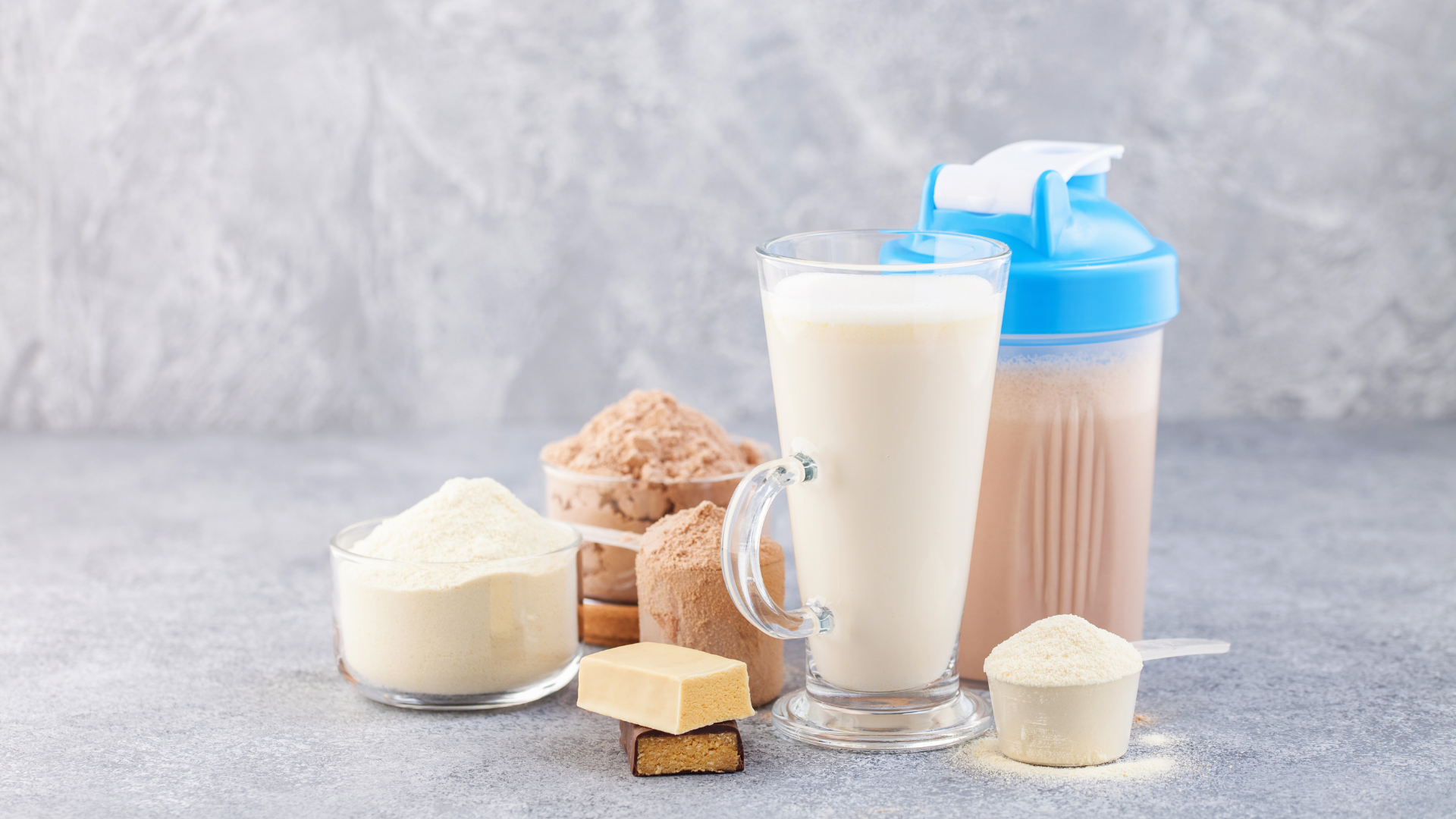


The snack aisle has changed fast. There are protein Pop-Tarts, protein chips, even peach mango protein soda. At the coffee shop, the barista asks if you want protein milk in your latte. Every pack shouts a gram count, and after a while, they all start to look the same.
If you market a food, drink, or supplement brand, you've probably asked yourself: if everyone says “protein”, what do we say?
The most useful answer comes from category entry points: the real buying moments that send people to your shelf. When your brand owns those moments in shoppers' minds, you stop competing on grams alone.
Here's how to find the ones still up for grabs, and how to make them yours.
Why “high protein” stopped working as a differentiator
Protein used to be a niche promise for gym-goers. Now it's on everything.
Innova Market Insights named “Powerhouse Protein” its number one trend for 2026, and 80% of consumers globally say they pay attention to protein in their diet. Big players heard that loud and clear:
- Kellanova launched Pop-Tarts Protein with 10g per serving, while PepsiCo is giving Doritos the protein treatment too.
- Dunkin', Starbucks, and Subway all added high-protein options in early 2026. Dunkin’ even lets customers add protein milk to almost any drink.
- Walmart and Target are filling their shelves with high-protein products as part of a broader wellness push.
- Even Beyond Meat has jumped in, with its own sparkling protein soda.
That's great news for shoppers and harder news for you. When every pack says “high protein”, the claim stops pulling anyone toward your pack. It turns into the price of entry for the whole category.
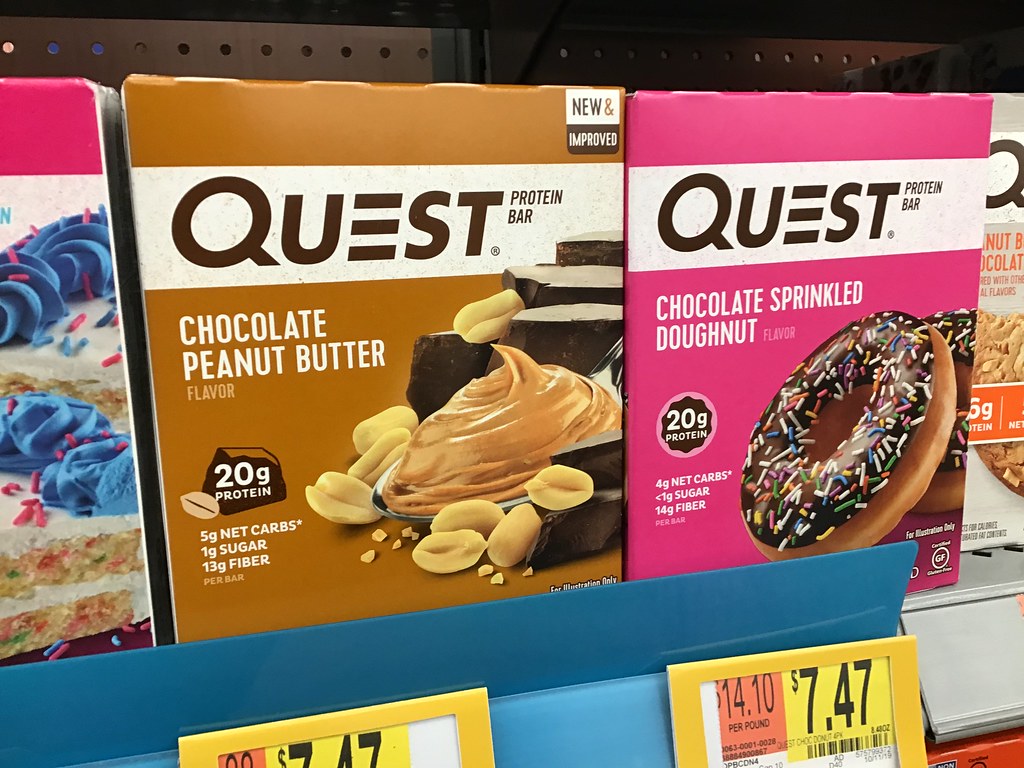
Innova's own experts say it plainly: just slapping protein on a product isn't enough anymore. Some brands are already poking fun at the craze. Sweetgreen ran a social campaign teasing protein popcorn and protein cold foam.
A bigger gram count is an arms race against budgets 10x yours, and you'd likely lose it. The better question is when people should think of your brand.
We saw the same pattern in our Market Mapping study of Dutch beauty brands: functional claims blur together, while real buying occasions stick in memory.
What are category entry points?
Category entry points (CEPs) are the cues that put a buyer in the market for a category: the needs, moments, places, feelings, and people around a purchase. The idea comes from Jenni Romaniuk and the Ehrenberg-Bass Institute.
The more CEPs your brand is linked to in memory, the more often it comes to mind when people buy.
In plain words, a CEP is the thought in a shopper's head right before they reach for something. Shoppers rarely think in grams. Their thoughts sound more like this:
- “I need something after the gym.”
- “I want breakfast that keeps me full till lunch.”
- “I'm on a GLP-1 and barely eating. What should I eat?”
- “I fancy something sweet that won't wreck my week.”
- “I want protein, but I'm on a budget.”
Each of those is a doorway into the category, and the brand that comes to mind first behind a doorway gets picked. That's brand salience at work: it measures whether people think of you at the right moment.
At Behavio, we call these doorways needs. A need is any reason a shopper enters the category (a CEP) or picks one brand over another (a differentiator).
Good news for challenger brands: two or three doorways are enough to win. Big brands spread their money across dozens of moments, so a focused brand can own a few of them outright.
The protein needs up for grabs
The shift has already started. Shoppers now want protein plus something: recovery, fullness, gut health, or a lighter price tag.
Innova found that weight management is now the third most common reason people want more protein, after sports performance/recovery and immunity.
Launches pairing protein with at least one other health claim grew 32% in a year. Every one of those “plus” needs is a potential category entry point.
Some doorways are already packed. Others are wide open. Here's a starting map:
Ownership here is illustrative, based on launch data and public announcements. Who really owns each moment in your market is something you need to measure with a Market Mapping study.
Look at that last row. Budget protein is a real, felt need, and almost no one is speaking to it yet. That's exactly the kind of gap a challenger can walk into.
How to find and claim your CEP
Finding your CEP takes four steps, and none of them ends in a 100-page report gathering dust on someone's desk (we all know the one).
- List real buying moments. Write down every situation that sends people into your category: times of day, places, moods, health goals, and who they're with. Your sales team and customer reviews are good places to start. Aim for 15–30 moments, in shoppers' own words.
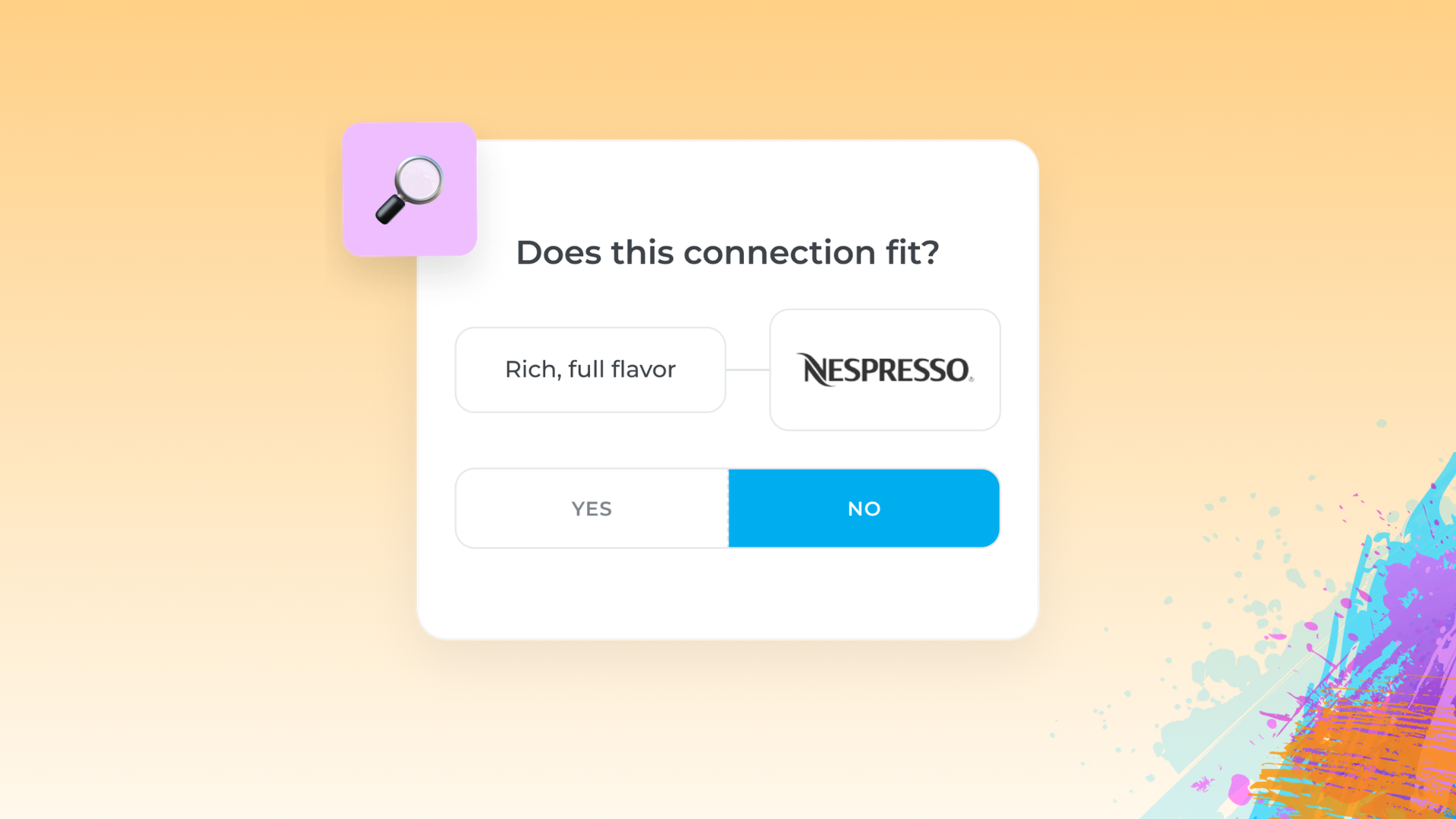
- Measure which brands people link to each moment. Direct questions fall short here, because people can't explain why they choose. What people say is not what people do. Implicit, behavioral methods capture the fast, gut-level links between moments and brands, so you can see who really owns each doorway.
- Spot the gaps that matter. Look for moments that are important to lots of buyers but weakly owned by anyone. A moment few people care about leads nowhere. A moment everyone cares about, owned by one giant, is a fight you'll pay a hefty price for.
- Pick two or three, and stick with them. Build your message, packs, and ads around those moments, campaign after campaign. Small brands win by committing to one need per campaign and repeating it until it sticks.
Here's a quick example. Say you sell protein yogurt. Your map shows that shake brands own “post-workout”, while “breakfast that keeps me full on a budget” matters to lots of buyers and has almost no owner. That second moment is where your brand should aim to become the answer.
Make it stick with distinctive brand assets
Owning a moment only pays off if shoppers know it's you. That's the job of distinctive brand assets: the colors, shapes, characters, sounds and pack designs that make your brand easy to recognize at a glance in a busy aisle.
On a protein shelf, most packs use the same cues: a big number, a bold “PROTEIN” banner and a gym-ready look. Those cues tell shoppers where the protein is, but they do nothing to point them toward your brand.
So your brand differentiation strategy needs two layers working together:
- Me codes say “this is us”. Think Tony's Chocolonely's color-block wrappers or McDonald's arches. Keep them meaning-free and stick with them for years.
- Need codes say “this is us for this moment”. Think Starbucks' Pumpkin Spice Latte for autumn. Built from your existing assets, they tie your brand to the CEP you chose.
In practice, that might mean a pack cue or a recurring ad character that always shows up with your chosen moment, whether that's the 7 a.m. breakfast rush or the end-of-month budget shop. Repeat it everywhere: ads, packs, social, in-store.
Then check if it works. Run a packaging test to see if shoppers notice your brand, not just the gram count, before you print a single box.
Final thoughts
"High protein" gets you onto the shelf. It won't get you into the basket. Once every pack makes the same claim, the brands that grow are the ones shoppers think of in a specific moment: the budget breakfast, the GLP-1 meal, the sweet snack that doesn't feel like a setback.
The good news is that most of those moments are still up for grabs. Big brands are busy chasing the same few doorways, workout and coffee, while needs like budget protein and gut health sit almost empty.
So don't ask how much protein you can add. Ask which moments matter to lots of buyers and still have no clear owner. Then pick a few, build your brand around them, and repeat until shoppers can't picture that moment without you.
Want to see where your openings are? Behavio's Market Mapping shows you the CEPs in your category, who owns each one, and which are still open.
Book a demo and find your opening before someone else does.
Frequently asked questions

Category entry points are the needs, moments and situations that make someone start shopping in a category, like “a quick breakfast” or “refuel after the gym”. Brands linked to more of them come to mind more often, so they get bought more often.
Ask people which brands come to mind in specific situations, not which brands they like. Implicit, behavioral methods work best because they capture fast gut links instead of polite, considered answers. Behavio's Market Mapping does this for your whole category. It scores every need on how much it matters to buyers and whether a competitor already owns it, then gives you a ranked shortlist of the moments where your brand can grow fastest.
Positioning describes what your brand stands for. CEPs describe the moments when shoppers think of you. A clear position helps, and it drives sales once it's tied to real buying moments.
- Protein Market Trends: The Rise of Powerhouse Protein Globally Innova Market Insights, 2026.
- What's trending in protein? How brands can prosper from fast-evolving F&B market Food Ingredients First, 2025.
- Protein is top-of-mind for shoppers and brands in 2026 EMARKETER, 2026.
- From Doritos to Pop-Tarts, Big Food's $67 billion obsession is protein-packed everything Fortune, 2025.
- How protein is shaping active nutrition in 2026 DairyReporter, 2026.
- New year will see protein innovation, fiber-maxxing trend & healthspan focus boom Nutrition Insight, 2026.
- Danone launches Oikos yogurt drink aimed at GLP-1 users Food Dive, 2025.
- Protein Market Trends: What's Driving Success? Numerator, 2025.
- Category entry points dissected: how they really contribute to growth Romaniuk, J., 2025.